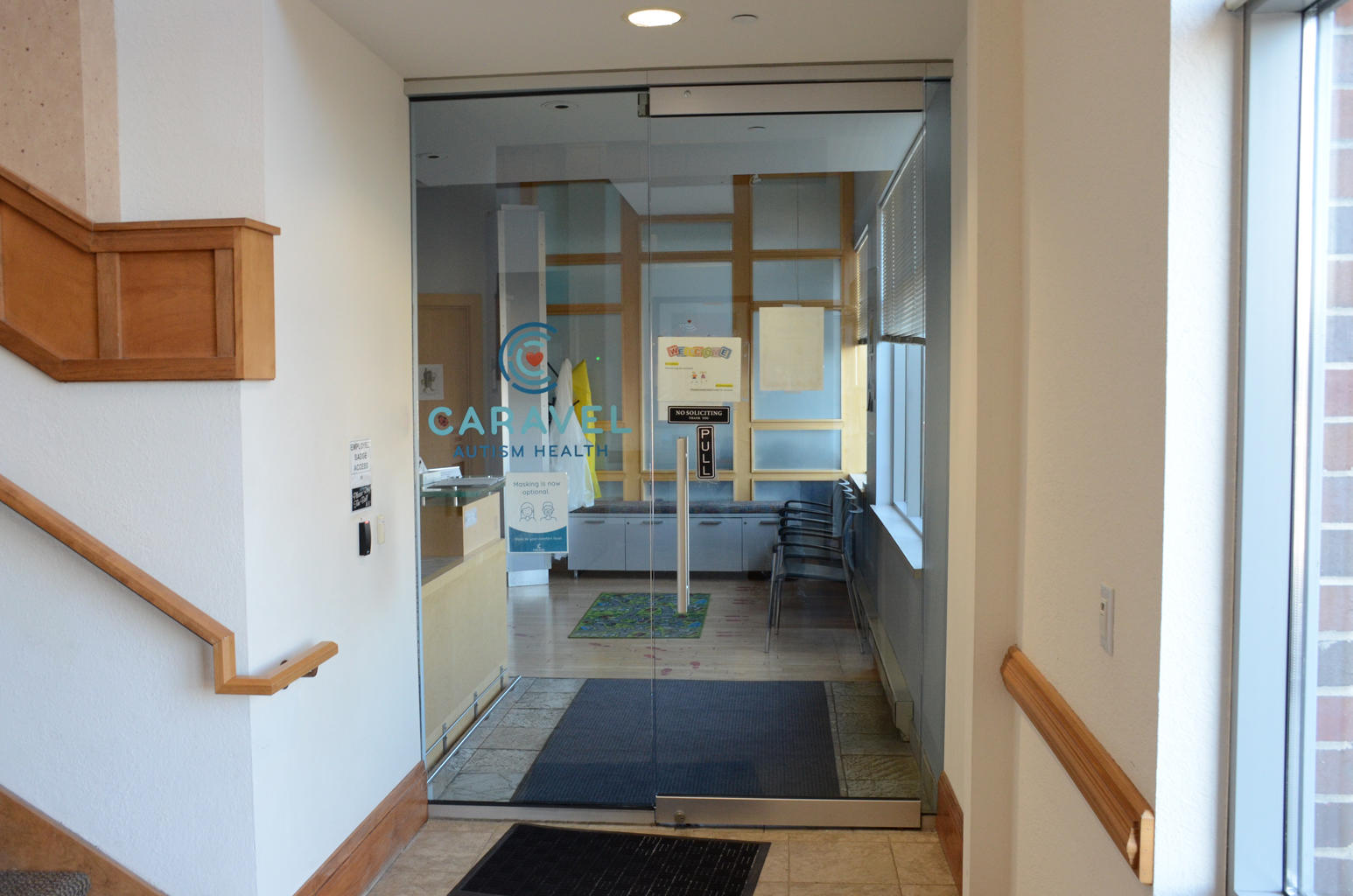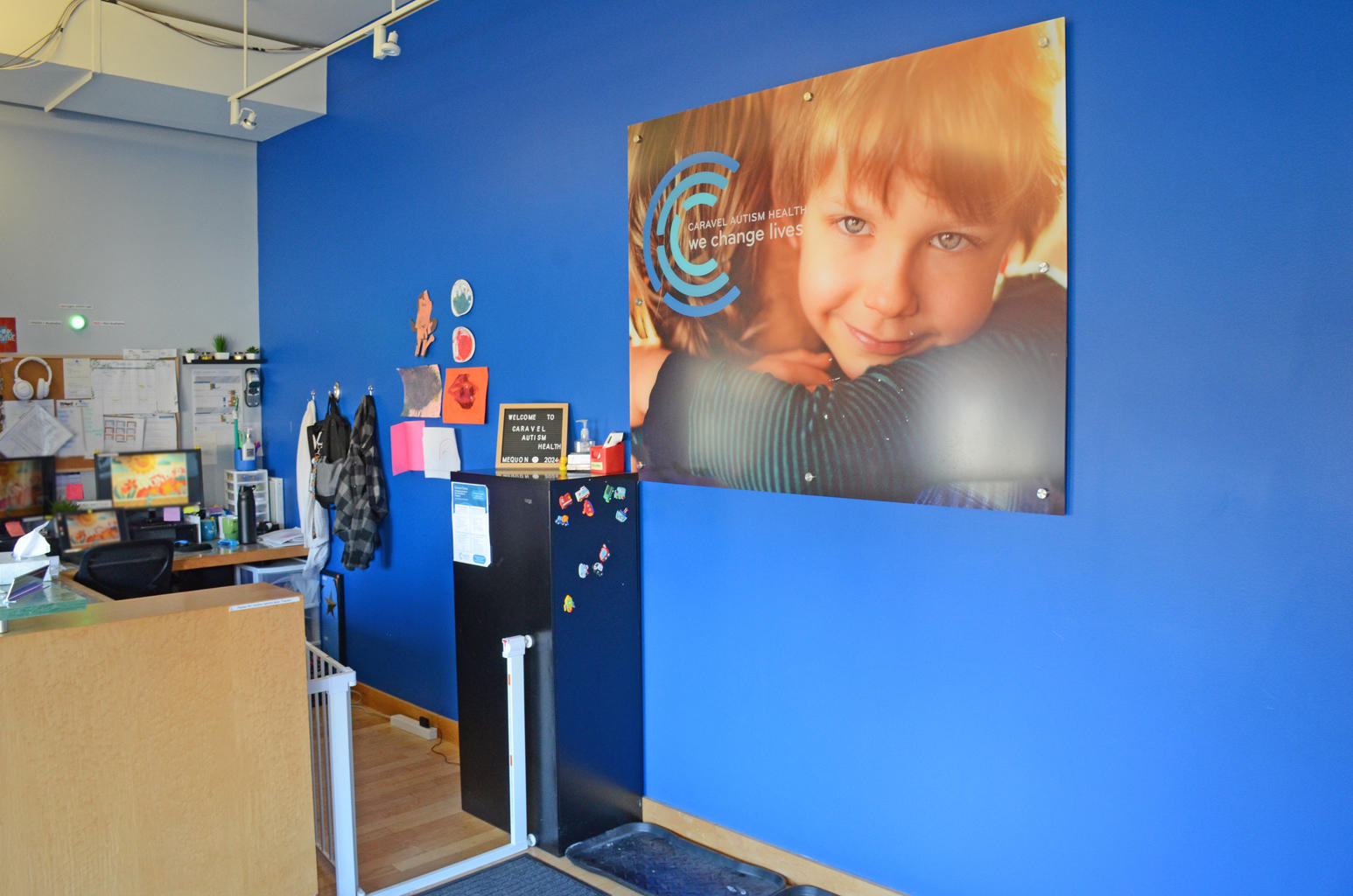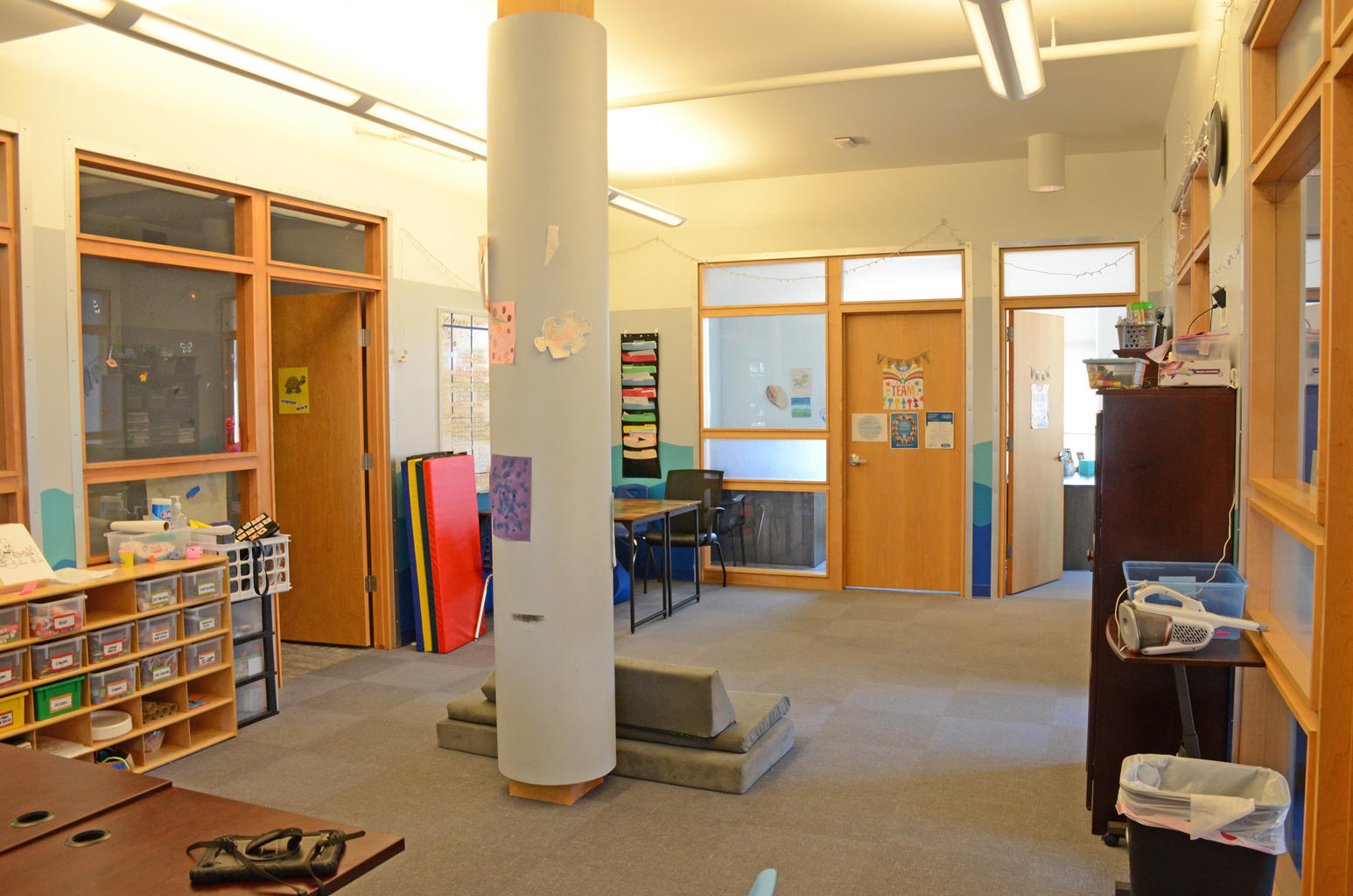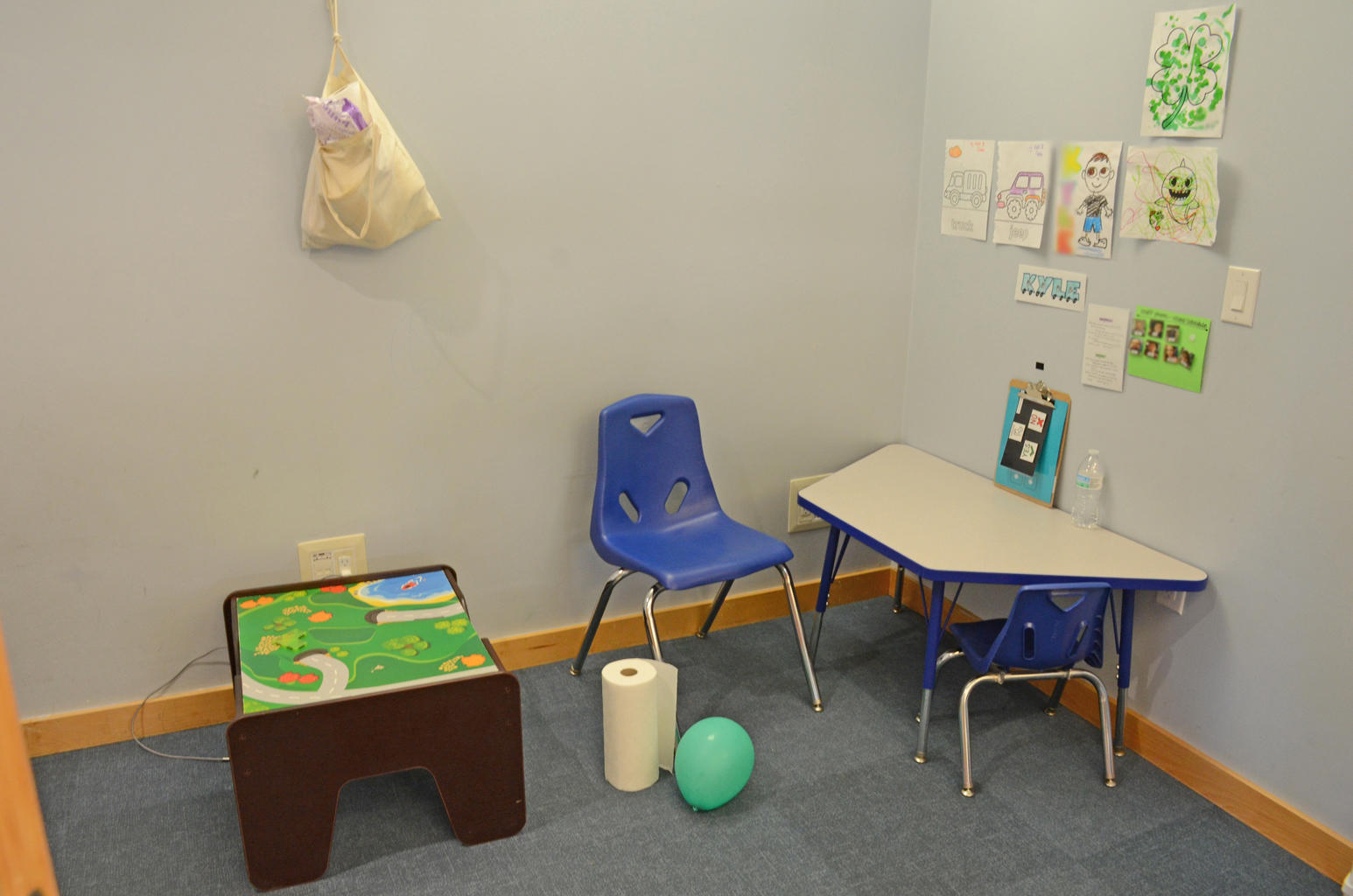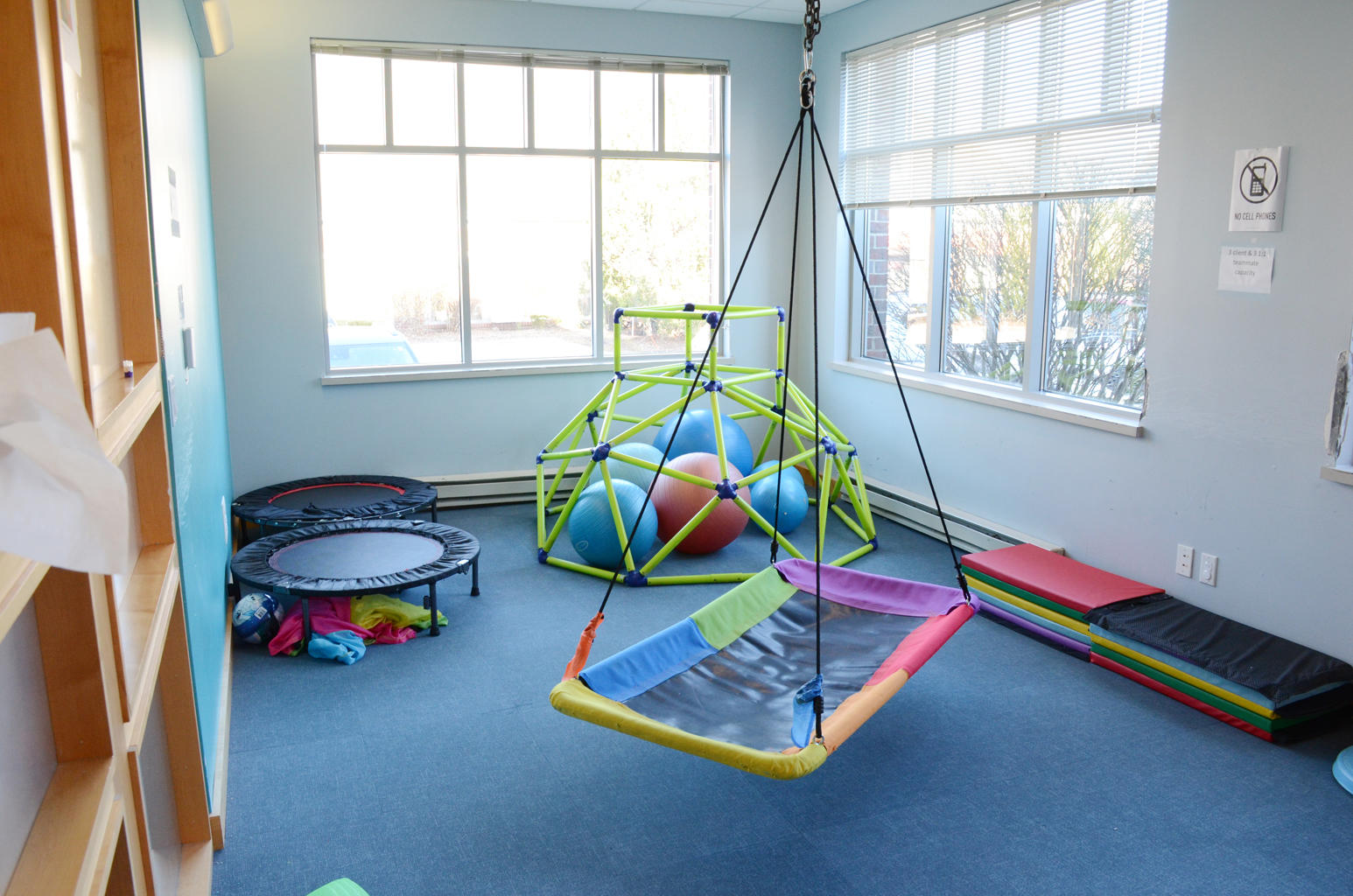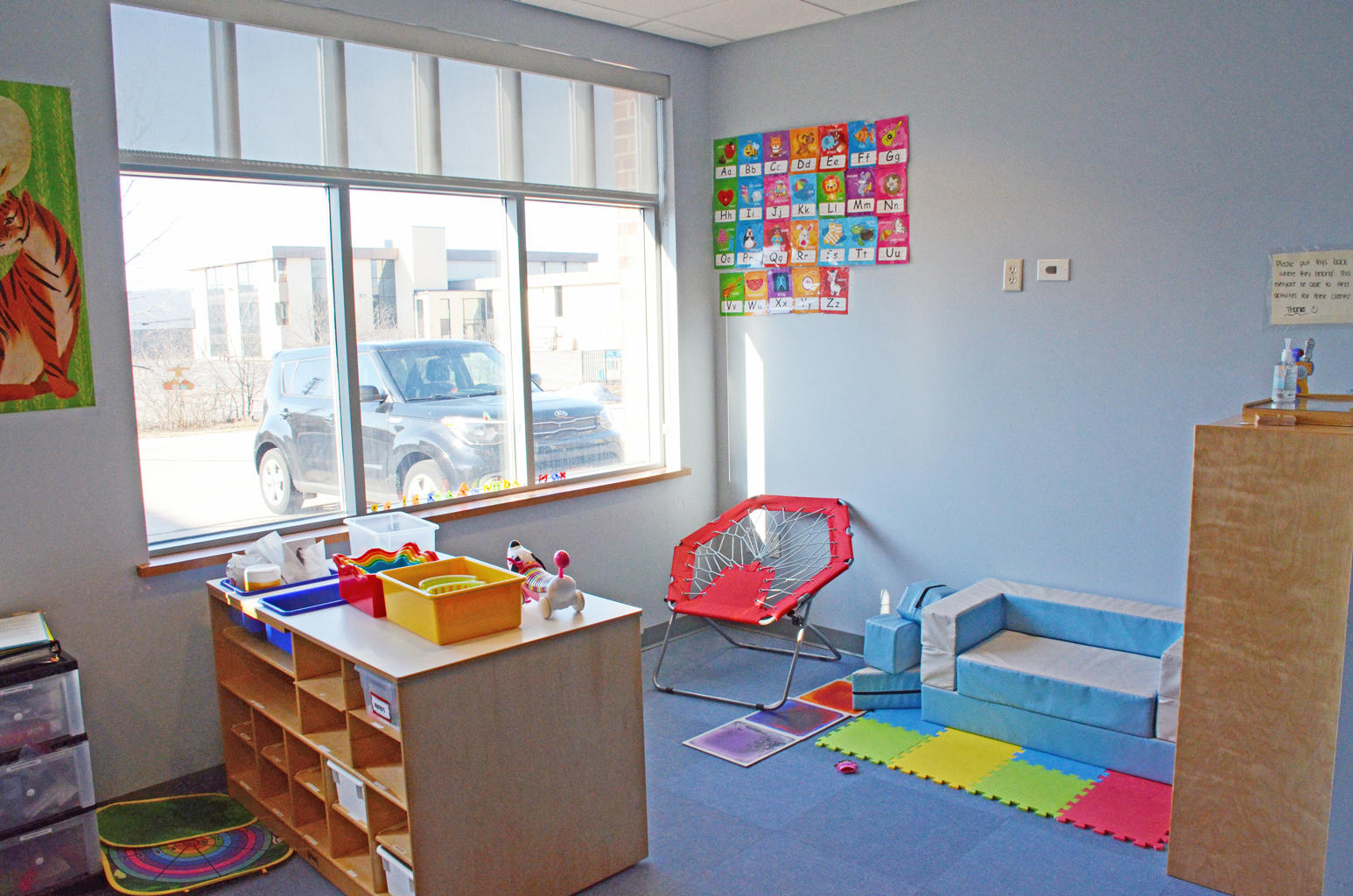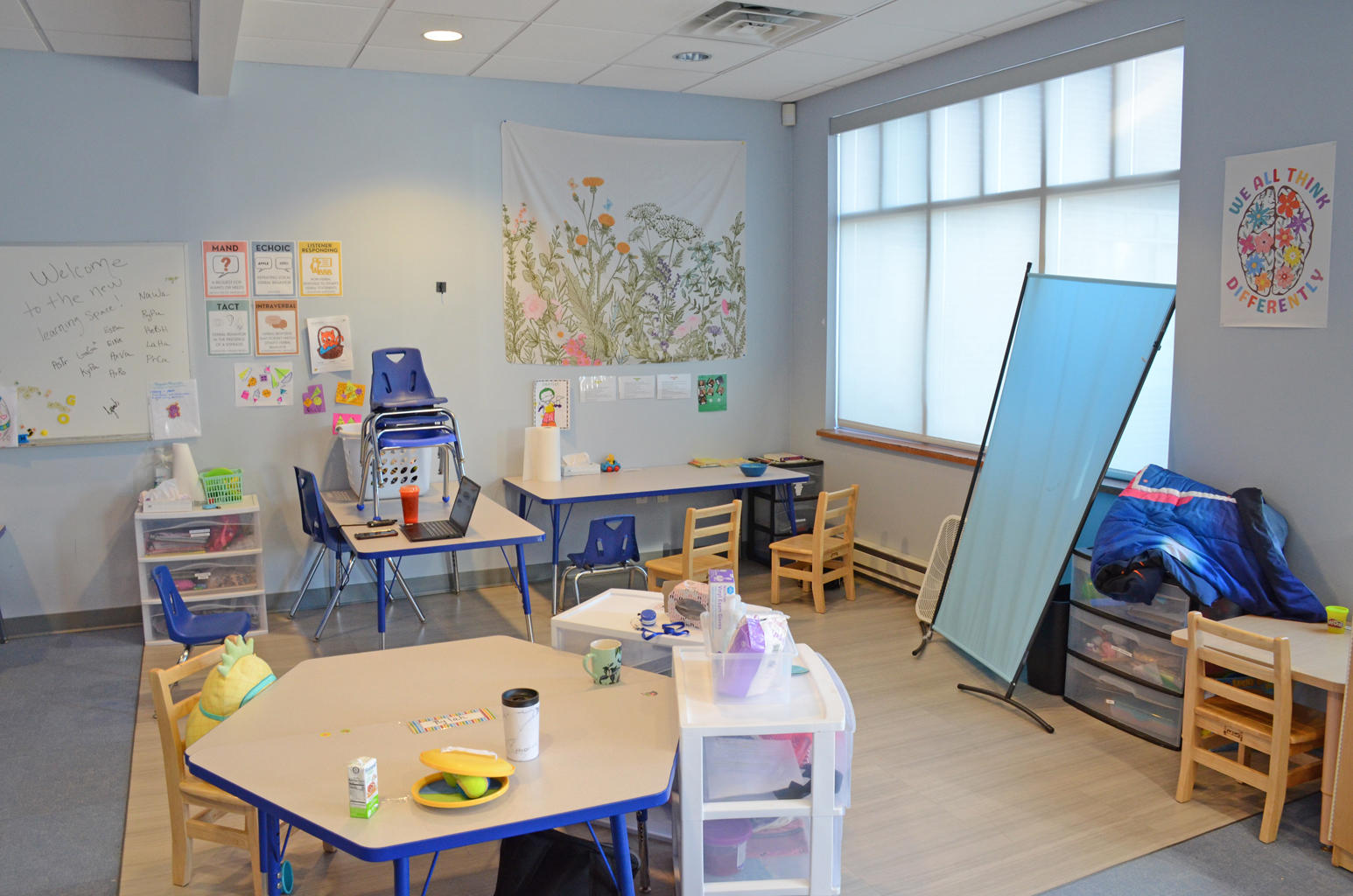

Caravel Autism Health – Mitchell St./Milwaukee

Providing diagnostic evaluations and personalized ABA therapy for children as young as 12 months in Milwaukee, WI.

Services: Diagnostics Evaluation, ABA Therapy

Address: 1020 W Historic Mitchell St, Milwaukee, WI 53204

New Parents: 414-622-1984

General Inquiries: 414-251-1782

Professional Referral Fax: 800-513-7773

Hours: Mon – Fri: 8 AM – 6 PM

We accept most insurance providers

Explore Insurance & Financials
Aetna logo Anthem Cigna logo United logo

+100 more

Our Expert Team in Milwaukee

At Caravel Autism Health, families are supported by a compassionate team of specialists dedicated to helping children with autism grow and thrive. Our clinicians, therapists, and care coordinators work closely with parents to create individualized ABA therapy plans, provide ongoing guidance, and celebrate every milestone together.

Alicia has been working in the field of Applied Behavior Analysis (ABA) and with individuals with Autism Spectrum Disability (ASD) since 2005. She earned her undergraduate degree in psychology from the University of Wisconsin-Milwaukee in 2007, received her master’s degree in clinical psychology from Cardinal Stritch University in 2012, and completed her BCBA coursework at Florida Institute of Technology in 2016. Alicia’s broad experience includes creating individualized programming for children and adolescents with ASD, as well as conducting parent training, staff training, and diagnostics. She has also spent time volunteering with the Global Autism Project to work with partner sites in underserved countries, helping to provide support and training to their staff. Alicia is passionate about ensuring all individuals with ASD have access to treatment and working with parents who are a vital part of their child’s treatment and progress.

Hannah has been working the field of Applied Behavior Analysis (ABA) since 2009. While actively working with clients, she also earned her master’s degree in ABA from Ball State University, completing it in 2019. Hannah’s dedication to the ASD population shines through her work when creating client-centered treatment plans and conducting parent training. She strives to create an environment that accommodates individual needs and to teach skills that ensure autistic voices are heard.

Melissa has been delivering Applied Behavior Analysis (ABA) care since 2012 and has enjoyed getting to know many children and their families through the years. She earned her bachelor’s degree in psychology at the University of St. Thomas in St. Paul and her master’s degree in ABA, with an emphasis in autism, at Ball State University. Melissa has experience in treatment planning, behavior technician supervision, parent coaching and consultation, and behavior management. She is passionate about teaching children and adolescents communication and social skills within home and center settings.

Victoria has been working in the field of Applied Behavior Analysis (ABA) since 2016. After receiving her bachelor’s degree in psychology from Mount Mary University and working as a behavior technician for several years, she felt passionate about pursuing further studies in the field and completed her master of education in ABA at St. Edwards University. In her work in various ABA roles, Victoria has focused on children ages 2–8, providing highly individualized programming tailored to meet each client’s unique needs and goals. Her passion lies in ensuring that the skills mastered during therapy sessions generalize effectively within the home environment, promoting lasting and meaningful progress. Throughout her career, Victoria has collaborated with interdisciplinary teams, including families, educators, and other healthcare professionals, to create a holistic approach to treatment. Her exceptional communication and interpersonal skills allow her to build strong relationships with clients and their families, fostering a supportive and collaborative therapeutic environment.

Sara has been working in the field of Applied Behavior Analysis (ABA) since 2022. She earned her bachelor’s degree in neuroscience and psychology from Indiana University–Purdue University Indianapolis (IUPUI) and began her career in early intervention at Caravel, where she discovered a passion for supporting children with autism spectrum disability (ASD). To further pursue her goal of becoming a BCBA, Sara completed a master’s degree in ABA with an emphasis in autism at Ball State University. She places a strong emphasis on collaboration with parents and caregivers, offering training and guidance to promote consistent support across all environments. Sara is deeply committed to developing individualized treatment plans that are tailored to each child’s unique strengths and needs, helping them achieve meaningful and lasting progress.

What Our Families Have to Say

Frequently Asked Questions

Give us a call at 414-622-1984 or complete this form: https://caravelautism.com/contact-us/

Prior to beginning treatment, a diagnostic evaluation is required. Additional testing is based on individual need and is only used if the testing will help us to design a program or treatment. In general, testing is used to help diagnose disorders and determine levels of intellectual functioning, language ability or adaptive skills. Caravel provides diagnostic evaluations or if you have one from another professional source, that can usually also be used. Testing can also be helpful to chart the effectiveness of therapy.

An evaluation and any diagnostic testing will be billed to insurance (and/or Medicaid where permissible). Testing may be a part of the initial assessment or follow-up assessment. Please check with your insurance company. Typically, your family would be responsible for a potential deductible and/or co-pay. In some states, if you have Medicaid there would be no charge for the assessment beyond what is reimbursed by Medicaid. Any questions regarding financial responsibility may be discussed prior to an appointment with our billing staff. If testing would pose a financial hardship for the family, this should be discussed with billing. We work with parents/guardians to meet the needs of their individual case. Expenses can be spread over time.

Therapy treatment typically takes place in a local Caravel clinic. Under limited and clinically appropriate circumstances, we recommend that some children receive therapy in a home-based setting.

ABA therapy programs are wide-ranging and covers all areas in which your child needs to be successful. Goals are created and broken down into small steps. The steps are then organized into a logical order and taught one small step at a time. Areas may include communication, behavioral, functional and social skills.

Research shows that the greater the amount of hours, the better the outcome for children with an autism spectrum disorder (ASD). Children with an autism characteristically do not learn naturally throughout their days like typically developing children do. Learning is a full-time job for children that typically occurs without being noticed. Children with an autism need to be taught to learn. This means many hours of practicing these skills. Parent/guardian training and involvement is also an essential part of a successful ABA program. Tools and techniques of ABA should be incorporated into daily life. The amount of ABA therapy needed will depend on a variety of factors to be determined in the diagnostic evaluation.

Parent/guardians are trained to do individual therapy with their child. We recommend that parent/guardians engage their child in a few hours of therapy a week to be familiar with what their child is learning. Parent/guardians are encouraged to join team meetings and training provided by clinic staff or outside professionals.

Applied Behavior Analysis (ABA) is data-driven, so your clinical team will consistently record data and write session notes during each therapy session, documenting your child’s responses using our proprietary computerized data system.

Our clinicians often work closely with other professionals because we realize that different experts can add valuable insight into treatment. If suggestions can be added to a treatment plan without crossing ethical or professional boundaries, we will bring these suggestions into therapy.