Category: Resources
-

Supervision in Clinic-Based Care
Clinic-based care allows for stronger, more consistent supervision from multiple clinicians, supporting both new and experienced providers. This team-based approach helps reduce cancellations, maintain therapy hours, and create more opportunities for learning through interaction with different staff and peers.
-

Caregiver Collaboration
Clinic-based therapy still prioritizes meaningful family involvement, just in more intentional ways. Through caregiver collaboration sessions, families connect directly with their child’s BCBA, observe therapy, and learn strategies that help skills carry over at home. At Caravel, family support is intentional, structured, and built into care.
-
Welcoming and Importance of Family Inputs
From the moment families arrive, safety, warmth, and connection come first. Therapy is guided by assessment data and clinical expertise, but it starts with family input, because goals are most successful when they reflect what matters at home and across environments.
-
How We Design Our Clinics
Our clinics are intentionally designed to be welcoming, functional, and developmentally supportive. From movement spaces and playgrounds to routines like hanging up backpacks and group activities, the environment helps children practice school readiness and social skills in ways that aren’t always possible at home.
-
Transitions: Getting to the Clinic
Some skills need to be addressed before a child can fully participate in clinic-based therapy, and we support families through that process. Whether it’s getting dressed, getting into the car, or building daily living skills, we help remove barriers so children can access care and continue progressing across environments.
-
Skill Acquisition
Research shows that skills are often acquired faster in a clinic setting, helping children make the most of a limited window of learning time. With more supervision, collaboration, and real-time support from the full care team, progress happens more efficiently and consistently.
-
Skills In Center
Getting to the clinic is part of the learning, not just the commute. We work on real-life transition skills like getting dressed, getting in the car, and staying safe, because these are lifelong skills that support independence across home, school, and community settings. The clinic environment allows us to build these skills in ways that…
-
Why Center-Based Therapy?
Clinic-based therapy still prioritizes family involvement, just in more intentional and effective ways. Through caregiver collaboration sessions and structured guidance, families stay closely connected while children build skills that carry over at home. At Caravel, we measure this commitment and exceed industry standards for family support.
-
Understanding Hand Flapping in Children with Autism: A Guide for Parents
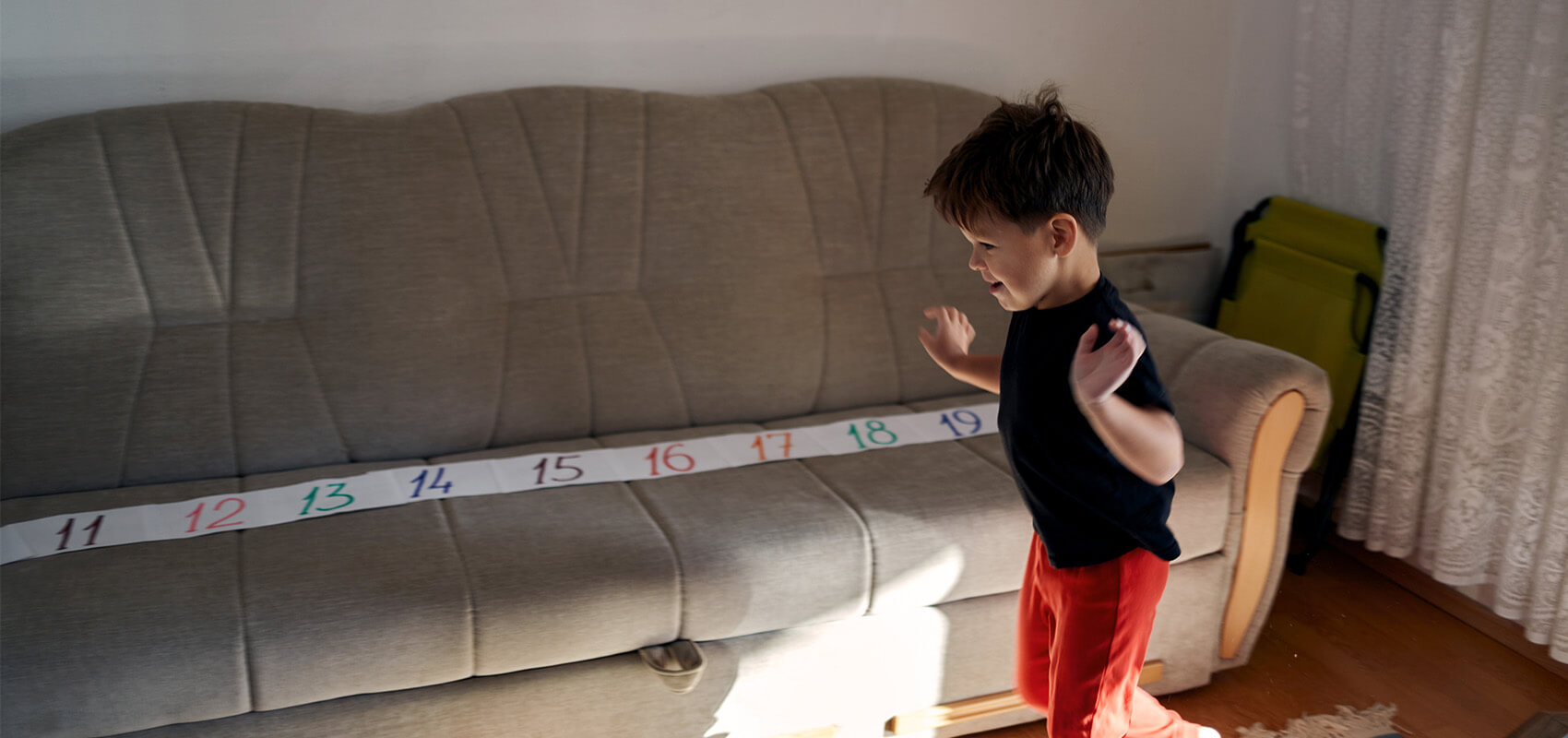
When young children explore the world, they use their bodies to express excitement, curiosity, and even frustration. One movement that often catches the attention of parents is hand flapping. If you’ve noticed your child repeatedly flapping their hands, you may wonder what it means. Hand flapping can be a common behavior in early childhood, but…
-
What Does Autism Look Like in Your Brain?
When young children are learning about the world, their brain is working overtime. From the moment they wake up to when they fall asleep, tiny connections in the brain are firing, helping them develop social skills, learn to talk, and interact with others. But for children with autism spectrum disorder (ASD), brain development takes a…